Mindfulness Meditation Warnings & Alerts
Julie Lusk, M.Ed., NBCC, E-RYT-500
Wholesome Resources for Mind-Body Mastery through Yoga, Meditation, Guided Imagery, Stress Relief, Wellness


Hatha yoga is a mind/body exercise which dates back thousands of years to India. The word yoga means  “union” or “joining”. Although there are several branches of yoga (Raja, Karma, Jnana, Bhakti and others) Hatha yoga refers to achieving the union of the mental, emotional, physical and spiritual selves through the practice of physical postures and special breathing techniques. For those interested, yoga can go beyond the physical exercises to incorporate dietary recommendations, meditation, service to others, philosophy, and moral and ethical guidelines for living. Yoga is neither a sport nor religion.
Hatha yoga is noncompetitive and emphasizes show, purposeful movements practiced mindfully and in combination with deep breathing. Yoga can be modified to help people achieve a wide range of personal and fitness goals. Some styles of yoga are gentle and slow while others are vigorous and strenuous. Yoga’s benefits include the ability to: [Read more…]
Have you ever felt like you were ‘half-awake or only half asleep’ all night? Me too. It’s so frustrating, especially knowing that you have a big day ahead and want to be feel sharp and well rested. Perhaps you don’t want to miss a moment of your vacation or there’s an important conference you’re excited about.
 As it turns out, half of your brain can sleep while the other half stays awake, according to sleep scientist Masako Tamaki and her colleagues at Brown University and reported in Current Biology*. They found that this usually happens when sleeping the first night in a new place, like a hotel, friend’s house, or while camping. The second night is much better.
It’s our brain’s attempt to protect us by going into survival mode. What happens is that the right half your brain sleeps while the left half stays alert, standing guard. How strange is that?
Scientists measured the slow-wave activity of the brain, something that occurs during deep sleep. They measured brain activity during light sleep by first playing a tone and then a different tone was played. Surprisingly, the brain reacted to the variation in sound only on the left side of the brain – the right side stayed asleep.
Next, they played a sound loud enough to awaken someone. They found that when it was transmitted into the right ear, the subjects in the experiment woke up faster than if it was sent to the left ear. The right ear is associated with the left side of the brain.
It stands to reason that it would be the left side of the brain that stays on duty since it is known to be objective, analytical, and rational and would be more prone to be protective whereas the right side is best at intuition and abstract thinking. Could this phenomenon be at play when sleeping in an unsafe neighborhood or household? What about when having to keep an ear out for a child or sick person. More studies are needed.
Sleeping ‘half-way’ is involuntary and the brain’s way to keep you alert enough to save yourself if something bad happened and most likely associated with the flight-fight-freeze response to stress. Because of this, scientists think there’s not much you can do about it other than to accept it rather than letting it bother you. Some suggest going two nights ahead of your big day since it’s so hard to sleep that first night.
Here are my suggestions:
So even if you can’t sleep as soundly as you might like due to your brain’s insistence on staying half-awake, at least you now understand the reason why. The above suggestions may lull you to sleep, and if they don’t, you will at least make use of the time in a positive, productive way.
Sweet dreams!
 Sleep Well | Yoga Nidra CD Use deep relaxation, soothing flute music & ocean waves to go to sleep. "I slept like a log." Downloads available. By Julie Lusk, Yoga Nidra Meditations author.
Reference: Current Biology Volume 26, Issue 9, p1190–1194, 9 May 2016
Resources: Yoga Nidra for Complete Relaxation & Stress Relief by Julie Lusk (NHP 2015)
Yoga Nidra: Guided Meditations for Relaxation & Renewal (Health Journeys 2016)
Julie Lusk, MEd, E-RYT 500, has more than 35 years of expertise in stress relief, yoga, relaxation training, guided imagery, and meditation as an international author, recording artist, and  workshop leader. Julie is the author of Yoga Nidra for Complete Relaxation and Stress Relief, Yoga Meditations, two volumes of 30 Scripts for Relaxation, Imagery and Inner Healing, and Desktop Yoga®. Her CDs include Wholesome Relaxation, Power of Presence, Blue Moon Rising, and many others. Learn more at WholesomeResources.com
by Julie Lusk

Julie Lusk
Whole Person Associates Publisher
Becoming Relaxed
The cornerstone of all guided imagery work lies in the ability to relax the body, mind, and emotions. This is true whether you would like to awaken your intuition, communicate with your inner guide, connect with nature, or benefit from the healing visualizations. You will be wasting your time if you don’t relax first.
Practice the following exercises until you become comfortable doing them. The method used for relaxing isn’t important; being able to relax is. Relaxation opens the door to your inner resources. Try out each exercise several times and choose the ones that work best for you.
After you’ve mastered the relaxation exercises, explore the different types of guided visualizations in the other sections of this book, or of those from volume 1.
Nature and the Environment
This section contains a variety of guided meditations that will help deepen your ability to relax and sharpen your ability to visualize, whether you visualize by using your imagination to see, feel, smell, or hear the scenes described. When you practice using all your senses, your experience will be enriched.
Getting in touch with nature is soothing, inspiring, and healing. To get the most out of these visualizations, first take the time to thoroughly relax. Remember to briefly describe the content of the guided visualization to the people you are working with. If a particular setting makes anyone uncomfortable, select a different script.
Inner Answers
Using the guided imagery exercises in this section will help you listen to what you already know. In other words, you will awaken your intuition to help you be consistent and in alignment with your own inner, individual truth.
These scripts are written to unlock your creative potential, provide you with insights, help you see patterns and possibilities, and understand yourself better. In order for this to happen, it is crucial to relax your body and quiet your mind first. So be sure to use a relaxation exercise whenever you are instructed to do so.
Read Awakening Intuition by Frances E. Vaughan for more information about accessing your intuitive self.
Healing
The mind and body are one, and what you believe and feel are reflected in your body. Sometimes your thoughts may lead to illness, aches, and pains; and other times, they can lead to exhilarating feelings of joy, pleasure, and peacefulness. Likewise, the condition of your body and the way it is feeling affect your thoughts. This is why it is impossible to worry when you feel relaxed.
Much of the benefits derived from the following healing imageries come from the necessary first step of calming and centering the body and mind. Therefore, it is important to perform a relaxation exercise whenever a script calls for one. Read the works of Bernie Siegel, Jeanne Achterberg, Joan Borysenko, Patrick Fanning, and Deepak Chopra for an in-depth look at how and why healing imageries work.
Personal Growth
Many people find it hard to make decisions, and many others find it difficult to make positive lifestyle changes. If this is true for you or your clients, try out these guided visualizations. Give your body and mind the chance to work for you instead of against you.
Read Creative Visualization and Living in the Light by Shakti Gawain for a description of the principles used in these scripts.
As always, be certain to use a relaxation script whenever advised to do so, and feel free to modify these scripts to fit your situation.
The mind-body connection recognizes the reality that the mind and body are intimately and ultimately linked as one. There is absolutely no separation. What is thought or felt always resonates throughout the body moment by moment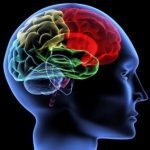 through a bio-chemical reaction. This reaction is either life and health enhancing or defeating. It has also been verified that each emotion has a distinct biochemical signature that affects mental and physical health.
Researchers report that meditation, controlled breathing, deep relaxation and directed, guided imagery can boost the immune system, alter blood pressure, decrease pain, and help with problems such as infertility and insomnia. These practices often help people cope with and recover from unpleasant medical procedures as well as the effects of stress from daily living. Furthermore, the refinement of consciousness that takes place leads to spiritual growth and maturity.

Trouble sleeping? Insomnia is at epidemic proportions and has dreadful consequences. A few problems associated with inadequate sleep include feeling irritable, exhausted, lowered immunity, poor mental / emotional health, and heart disease.
Relaxing regularly and deeply is the perfect remedy to conquer stress. The World Health Organization predicts that stress-related disorders and psychological disorders will be the second leading cause of disabilities in the world by 2020.
Guided Relaxation is another tool for your stress relief toolbox. The secret to gaining relaxed energy is to clear away the mental ruckus and emotional debris to make room for clear thinking.
One of the easiest ways of doing this is through relaxing the muscular tension held in the body by tensing and releasing muscle groups throughout your body using a reliable technique known as progressive muscular relaxation. Doing so not only releases physical tension, it also teaches you the felt difference between tension and relaxation.
By knowing this, you can catch physical tension early on and before it causes painful headaches, back problems and digestive trouble. A calming effect for the body, mind, emotions and spirit is awakened as well.
→ Listen to Take 10 free of charge. It’s an excerpt from the Power Napper eBook by Julie Lusk that includes relaxing and refreshing exercises.
 Take a FREE 2-Hour Nap in 10 Minutes Now.
PS. Benefit from the 2-Hour Nap in 10 minutes often by coming back to this website again and again.
PPS.

PPPS. Explore more mind-body exercises in Julie Lusk’s books and CDs, featuring deep relaxation and yoga nidra, guided imagery, and meditation.
Stimulates blood flow to your head. Reduces mental congestion. Helps overcome insomnia. Strengthens memory. Opens the crown chakra to higher inspiration.
o Start with your thumbs on your temples with fingertips resting at the middle of your forehead.
o Apply pressure and slowly pull your fingers apart, stretching the skin. Breathe deeply, in through your nose and out through your mouth. Repeat if it feels good.
o Place your fingertips at your hairline and repeat the stretch.
o Repeat this pattern starting at the top, center, and back of your head. Continue until you reach the base of your neck.
Stimulates your energies, boosts immune system, and releases stress. Relieves pain.
